

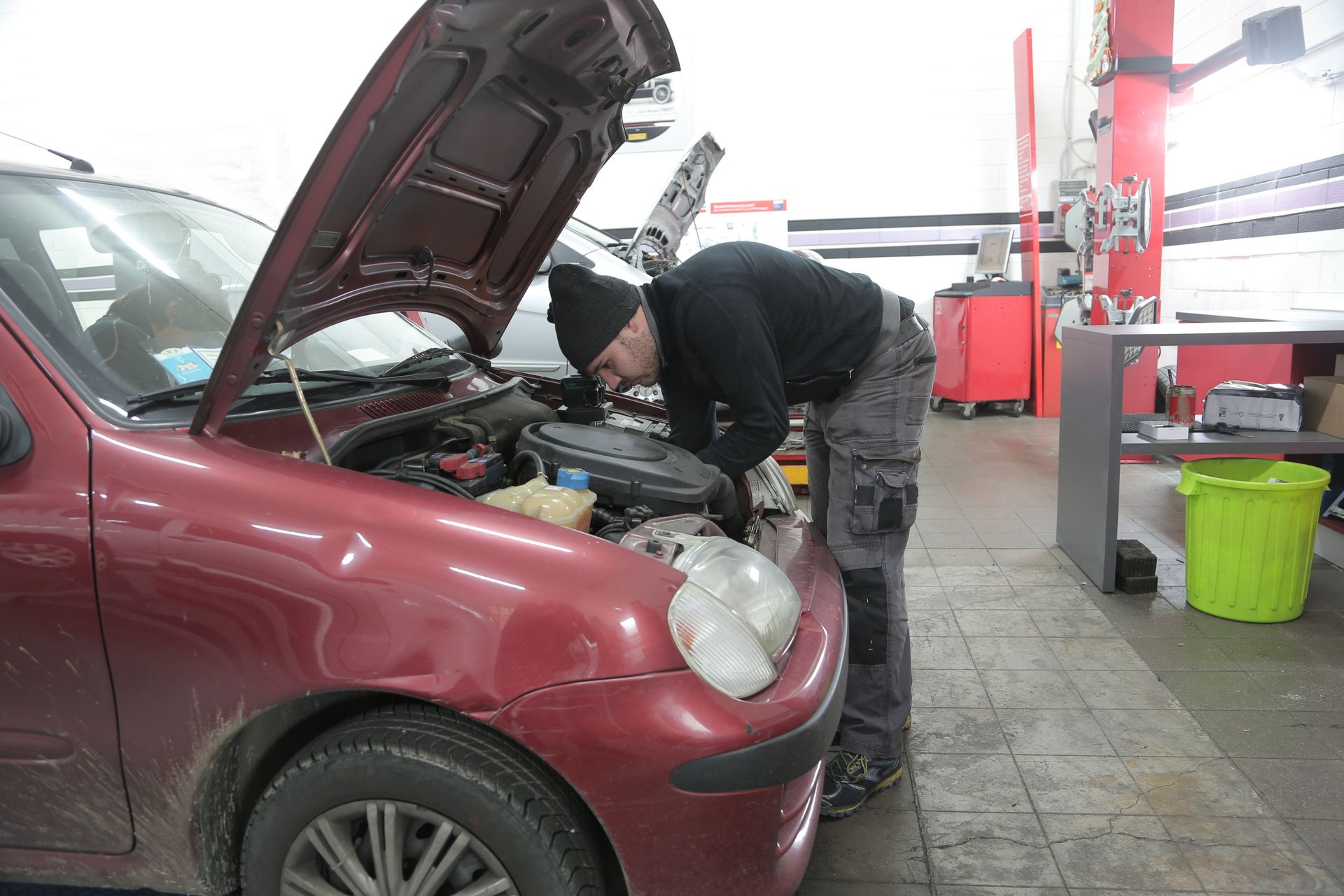
How to Tell Your Car Needs Maintenance Before the Warning Light Appears
Most drivers wait for a dashboard warning light before thinking about car maintenance. It makes sense, right? If the car says something is wrong, then it is time to take action. The problem is that your car can develop issues long before the electronics decide to alert you. Cars are constantly giving us clues. A strange sound, a slight change in handling, or a sudden drop in fuel economy can all be signs that something needs attention. Learning to notice these early signals can help you avoid expensive repairs and keep your car safer and more reliable.
Your Car Starts Making Strange Noises
Cars usually have a pretty predictable soundtrack. You get used to the sound of the engine, tires, brakes, and suspension. That is why unusual noises are worth paying attention to. A squealing sound when braking could indicate worn brake pads, while grinding may point to a more serious brake problem. A clicking noise while turning could be related to a worn CV joint, and a knocking sound from the engine should never be ignored. Even if the car seems to drive normally, a new or unusual noise deserves a closer look.
You Notice Changes When Braking
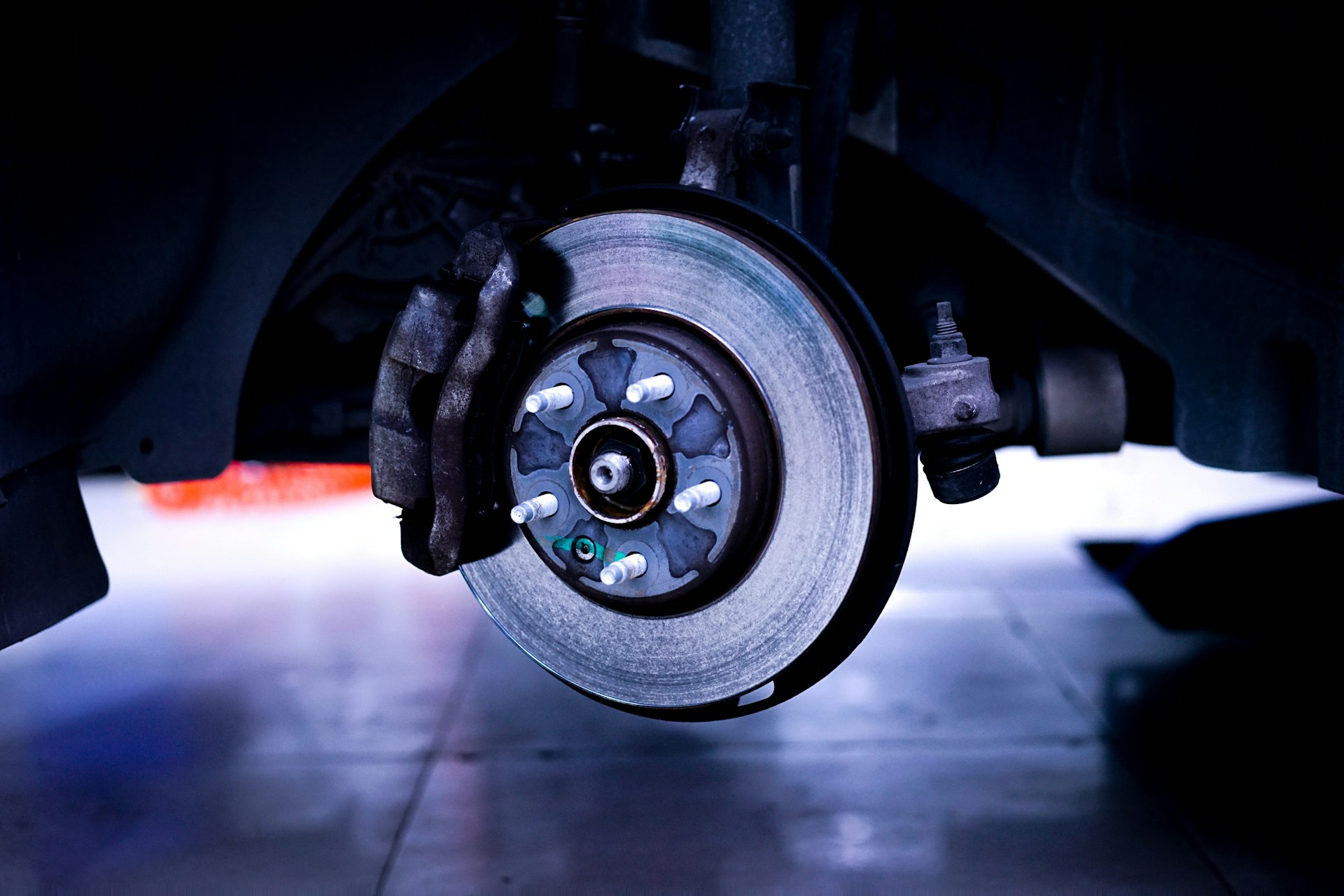
Your brakes should feel consistent every time you use them. If the brake pedal suddenly feels softer, harder, or different from normal, your car may need attention. You might also notice vibrations through the steering wheel when braking or hear squealing and scraping sounds. These symptoms can be connected to worn brake components, warped rotors, or other problems. Waiting until a warning light appears is not a good strategy with something as important as your brakes.
Your Steering Feels Different
Have you noticed that your car is pulling slightly to one side? Maybe the steering wheel feels heavier than usual, or the vehicle does not seem to track as straight as it once did. These changes can be easy to overlook, especially if they happen gradually. Steering changes can be caused by tire pressure, wheel alignment, suspension components, or steering-system issues. Getting the problem checked early can prevent uneven tire wear and potentially more expensive repairs later.
Your Fuel Economy Suddenly Gets Worse
If you are visiting the fuel station more often than usual, your car may be trying to tell you something. A sudden reduction in fuel economy can have several causes, including underinflated tires, a dirty air filter, worn spark plugs, or engine-related problems. Of course, driving habits and traffic conditions can affect fuel consumption too. However, if your usual commute and driving style have not changed but your fuel mileage has noticeably dropped, it is worth having the car inspected.

Your Car Takes Longer to Start
A healthy car should generally start without much hesitation. If the engine begins cranking for longer than usual before starting, do not automatically assume it is just getting old. A weak battery, failing starter, fuel system issue, or ignition problem could be responsible. Catching these problems early can save you from the inconvenience of discovering that your car will not start when you are already late for work or stuck somewhere inconvenient.
You Smell Something Unusual
Your nose can sometimes detect a car problem before your dashboard can. A strong smell of fuel, burning oil, or something electrical should never be treated as normal. A sweet smell inside or around the vehicle can sometimes indicate a coolant leak, while a burning smell may come from brakes, oil, or electrical components. If a smell is strong, persistent, or accompanied by smoke, it is especially important to stop driving and have the vehicle checked.
Your Tires Look or Feel Different
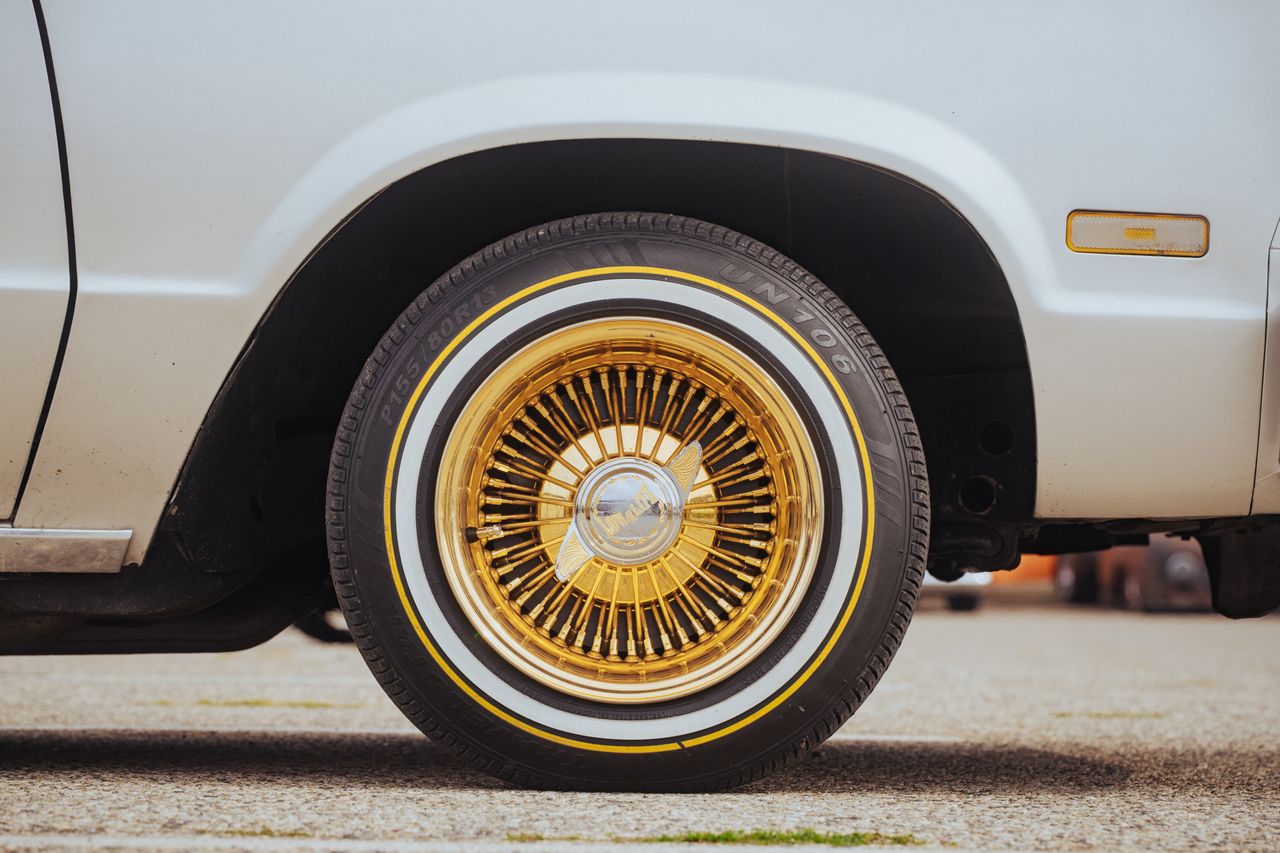
Your tires have a huge effect on safety, handling, and fuel efficiency. You do not need to be a mechanic to notice when something looks wrong. Check for uneven tread wear, visible damage, bulges, or a tire that repeatedly loses pressure. If the car feels unusually bouncy or unstable, the issue may involve the tires or suspension. Regularly checking tire pressure and condition can help you spot problems before they become dangerous.
Your Engine Feels Different
Sometimes the biggest clue is simply that your car does not feel like itself. The engine might feel rough at idle, hesitate when accelerating, or struggle more than usual when climbing a hill. These changes can have many possible causes, from simple maintenance issues to more significant engine or fuel-system problems. You do not need to diagnose the problem yourself. The important thing is recognizing that a noticeable change in performance is worth investigating.
Your dashboard warning lights are useful, but they should not be your only source of information. Your car can give you plenty of warning through sounds, smells, handling changes, starting problems, and changes in performance.